

What do you do when the hurt is real, the wound runs deep, and justice feels deserved?
Sooner or later, every relationship moves from romance to reality. Marriage requires forgiveness. Friendship requires forgiveness. Family requires forgiveness. Church requires forgiveness. Someone disappoints you. Someone wounds you. Someone sins against you. The question is not whether you will need forgiveness. The question is whether you will become a forgiving person.
In Matthew 18, Peter asks what we have all wondered: “Lord, how often will my brother sin against me, and I forgive him? As many as seven times?” Jesus responds, “I do not say to you seven times, but seventy-seven times.” Jesus is not giving math. He is describing a lifestyle.
Why would He ask this of us?
Because forgiveness is not first about relationships. It is first about salvation. It is a gospel issue.
Our greatest problem was a debt we could not pay. Every sin is a violation of a holy God. Not every sin has the same earthly consequences, but every sin carries the same implication. We needed mercy.
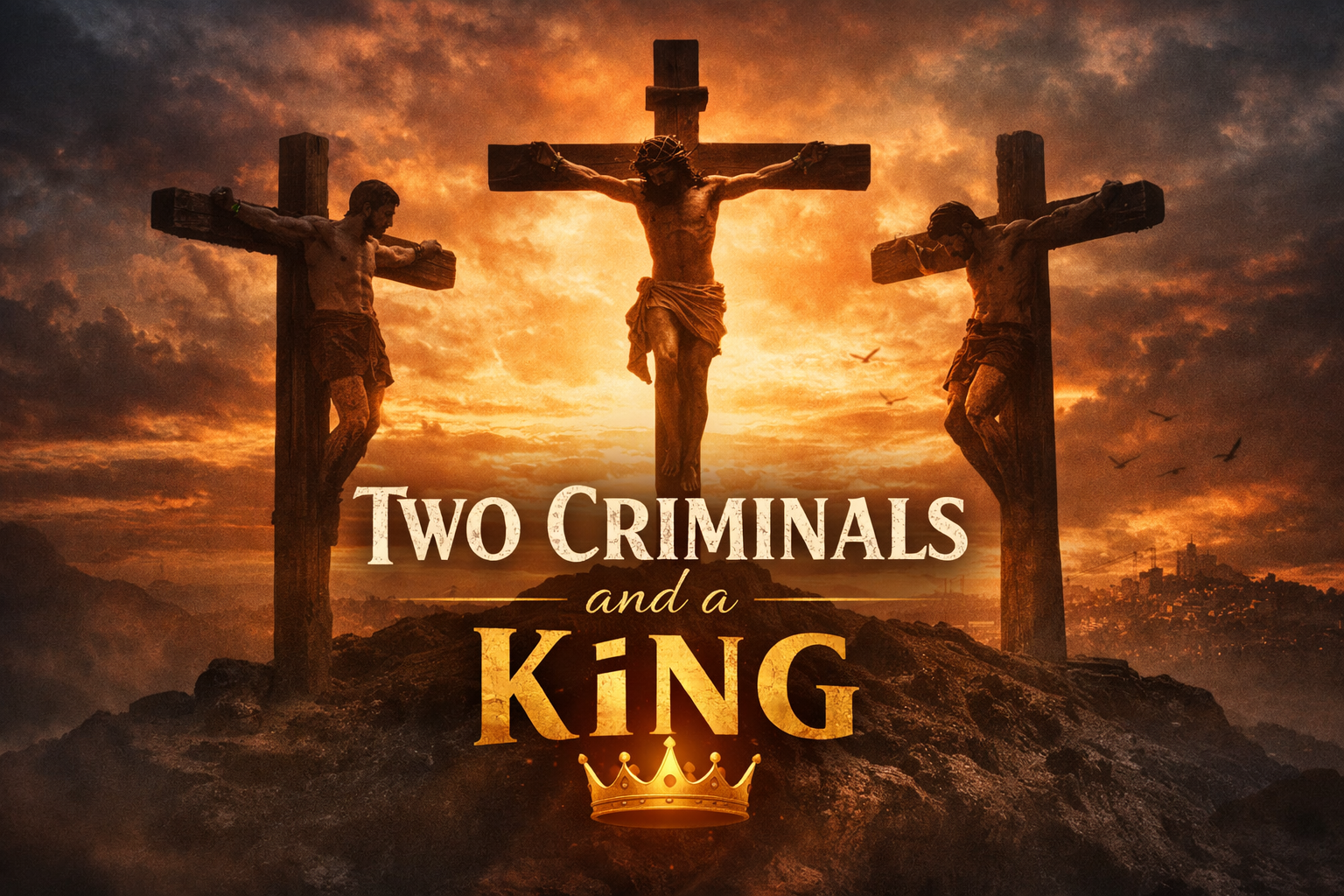
On the cross, Jesus absorbed our debt. Forgiveness is costly. Someone always pays. God did not ignore justice. He satisfied justice. That means forgiveness is not pretending sin did not happen. Forgiveness is choosing to absorb the cost instead of demanding repayment.
Forgiven people become forgiving people.
Author James Clear writes that every action you take is a vote for the type of person you wish to become. Forgiveness works the same way. Each time you release an offense, you are casting a vote for a heart shaped by mercy instead of bitterness. As Ephesians 4 says, “Be kind to one another, tenderhearted, forgiving one another, as God in Christ forgave you.” We forgive not because people deserve it, but because Jesus first forgave us.
Still, knowing we should forgive and actually forgiving are very different things. When we are hurt, we want justice. We want vindication. Scripture warns that bitterness grows roots. Those roots turn into judgment, then hatred, then destruction. Unforgiveness poisons the heart.
So what is forgiveness?
It is not approving sin.
It is not forgetting the event.
It is not removing consequences.
It is not automatic reconciliation.
It is not immediate trust.
Forgiveness does not deny justice. It transfers justice to God. It says, I will not make you pay. I will trust God to deal with this.
Where does that kind of power come from?
Look at Stephen in Acts 7. As he is being stoned to death, he prays, “Lord, do not hold this sin against them.” Why does he forgive? Because he sees Jesus. Earlier in the chapter, he looked up and saw Christ standing in heaven. Seeing Jesus produced forgiveness.
Real forgiveness looks like this: You stop rehearsing the offense. You stop telling the story to gain sympathy. You no longer desire the offender to suffer. You protect their reputation. You pray for their blessing. And when the pain resurfaces, you forgive again.
What does love have to do with forgiveness?
Everything.
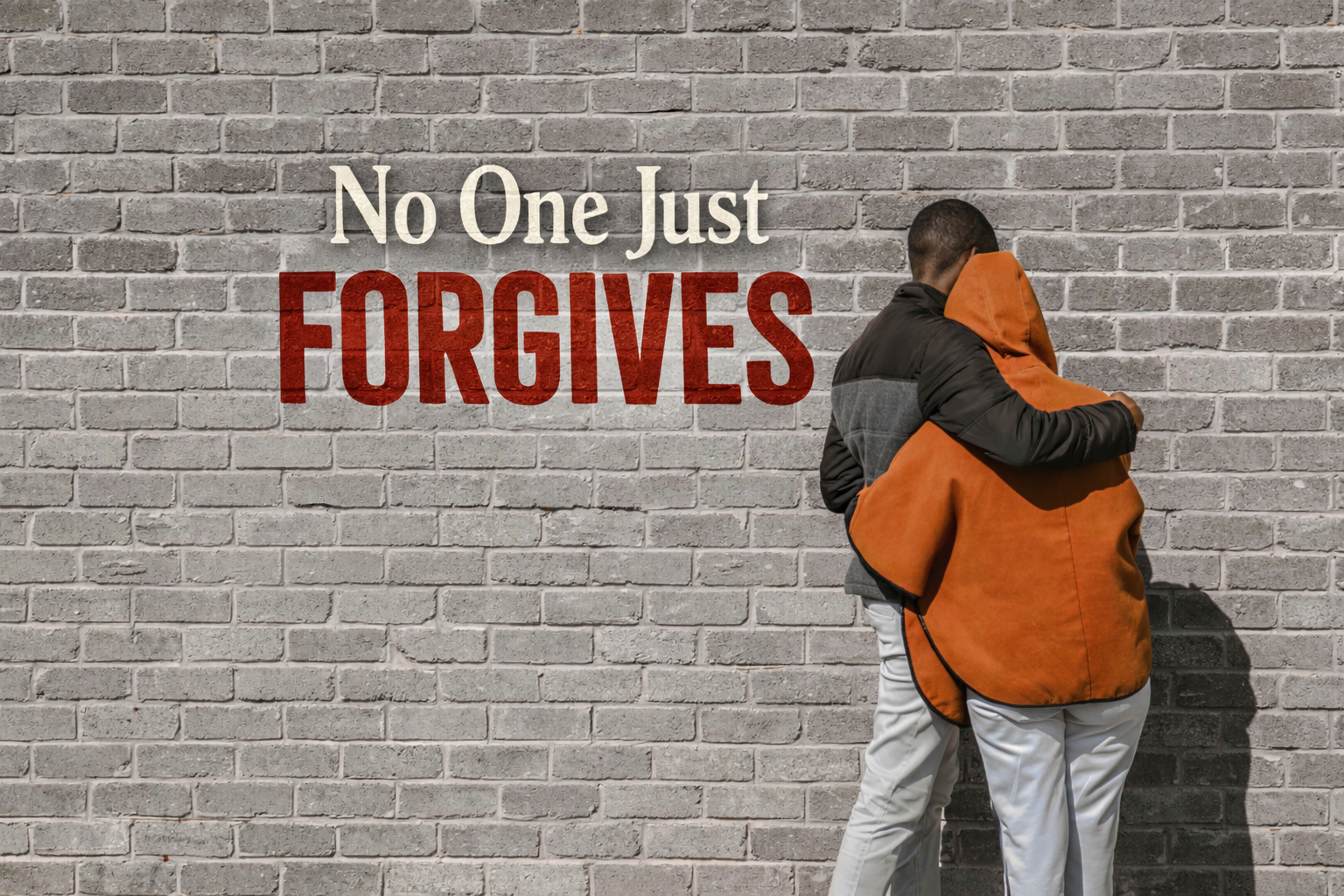
No one simply forgives. Someone always pays. The only question is who. You can drink the poison of unforgiveness and hope the other person gets heartburn. Or you can let Jesus carry the weight.
Love chooses the cross.
