


John Mark Comer’s Practicing the Way is a highly accessible, story‑driven guide to Christian spiritual formation that centers on becoming an “apprentice” of Jesus through intentional practices embedded in everyday life. It is both inspiring and practically useful, though some critics argue that its emphasis on practices and language of apprenticeship can blur key doctrinal themes like repentance, the cross, and the centrality of Scripture.
Comer’s basic thesis is captured in the subtitle: “Be with Jesus. Become like him. Do as he did.” He argues that Western Christianity often produces “Christians but not apprentices of Jesus,” people who profess belief yet are not actually being formed into Christlike persons of love. To address this, he presents discipleship as apprenticeship—learning from Jesus not only by ideas but by imitation and embodied practice over time, in community, with the Spirit’s help.
The book combines biblical exposition, cultural analysis (especially of hurry, technology, and distraction), and practical instruction, written in a conversational, list‑heavy style that feels modern and approachable.
A central learning is Comer’s insistence that spiritual transformation is possible, but only if we intentionally arrange our lives around the practices and rhythms of Jesus. He outlines a “theory of change” that involves teaching, practices, community, the Holy Spirit, time, and even suffering—emphasizing that change is gradual, relational, and holistic rather than instant or purely cognitive.
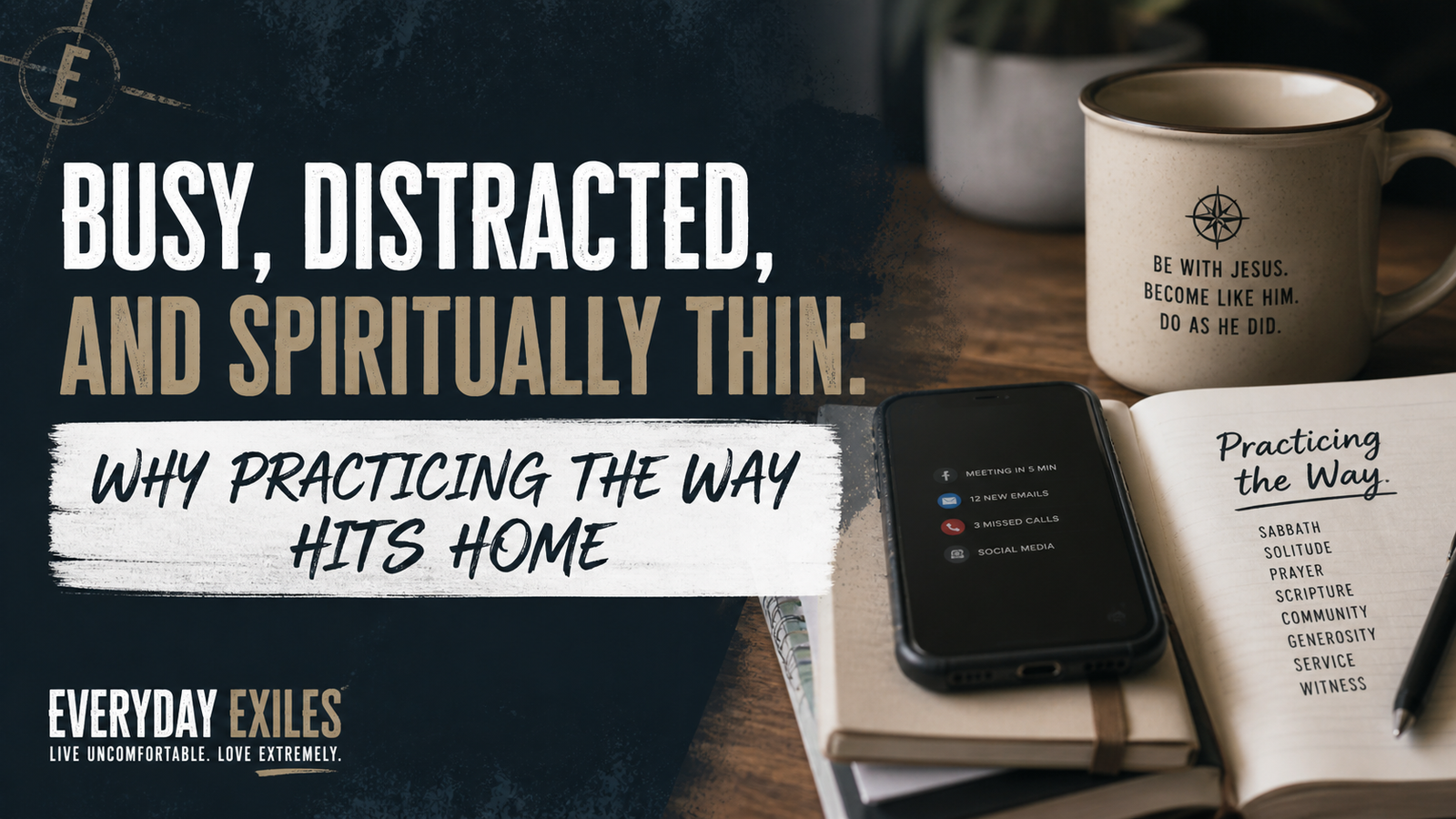
Another major takeaway is his emphasis on a Rule of Life: a simple, concrete set of commitments that structure your days and weeks around being with Jesus, becoming like him, and doing what he did. Comer proposes nine key practices that can anchor such a Rule—Sabbath, solitude, prayer, fasting, Scripture, community, generosity, service, and witness—and urges both individuals and churches to adopt some shared pattern. The book presses readers to see that everyone already lives by some “rule,” whether named or not, and that following Jesus requires rewriting those default habits.
Comer is particularly strong in diagnosing how digital technology, hurry, and consumerism deform our desires, making us expect lives that are easy, fast, and controllable, and how practices like Sabbath and solitude resist that formation. Many reviewers found his reflections on rest, limits, and delight in God both convicting and refreshingly concrete.
This book is engaging, relatable, and pastorally warm; Comer writes with honesty about his own failures, sin, and need for grace, which lowers defenses and invites change. The focus on actually spending time with Jesus and crafting realistic habits in the midst of jobs, kids, and “dirty dishes and diapers” makes the vision feel livable rather than idealistic.
He recovers ancient practices and monastic wisdom for a contemporary audience, helping people rediscover a thicker, more embodied life with God than many evangelical settings offer. For small groups or individuals who feel spiritually stuck or thin, the book offers a compelling on‑ramp into spiritual disciplines and communal formation.
At the same time, a number of thoughtful reviewers raise theological concerns. Some argue that Comer builds his transformation thesis more on arranging practices than on the foundational realities of Christ’s finished work, new birth by the Spirit, and repentance and faith. Others note that while he speaks of confession and surrender, the language of repentance, judgment, and substitutionary atonement is relatively muted, potentially shading God’s role more as healer than as holy judge.
Another recurring critique is that Sabbath and contemplative practices often receive more emphasis than Scripture itself, with a stronger accent on meditative presence than on knowing and obeying the written Word. Finally, some might find the “apprenticeship” framing, though helpful, can tilt toward imitation language without sufficient stress on obeying Jesus’s commands as Lord and Savior.
Overall, Practicing the Way offers a vivid, practical call to reorder your life around Jesus through a Rule of Life and core spiritual practices, and it is especially valuable as a wake‑up call to hurried, distracted believers, provided readers pair it with clear, robust teaching on the gospel, repentance, and Scripture’s primacy.
